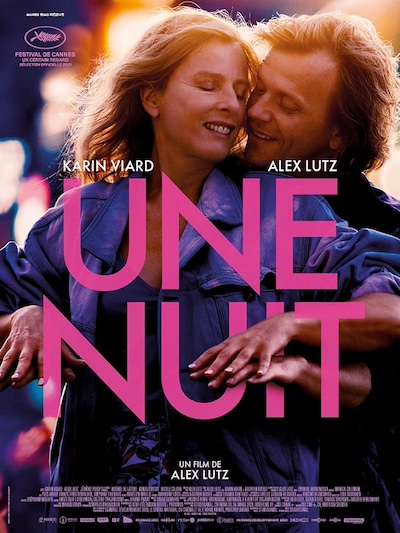

A woman pushes a man. They argue. Later, in the station corridors, the two strangers awkwardly make love in a photo booth. Finally, on the surface, they say goodbye.Read More »
A woman pushes a man. They argue. Later, in the station corridors, the two strangers awkwardly make love in a photo booth. Finally, on the surface, they say goodbye.Read More »

A family of German Communists caught on the wrong side of history.Read More »

Synopsis
(1)
Someone we hear but don’t see talks of a project entitled Eloge de l’amour, which deals with the four key moments of love: the meeting, the physical passion, the quarrels and separation, the reconciliation. These moments are seen through three couples: young, adult and elderly. Is the project to be a play, a film, or even an opera? A sort of servant or assistant always accompanies the author of the project.
Adults pose a real problem. Unlike old people or young people, an adult is hard to define without telling a story. The author of the project finally meets an extraordinary young woman. In fact, they had already met three years earlier when Edgar had by chance been present during a discussion between some Americans and the young woman’s grandparents. When he comes to tell the young woman that his project is on, Edgar learns that she has died.Read More »

“Hand is the first in a series of three new Pinku films to celebrate the genre’s 50th anniversary.” ~ Richard Gray
Synopsis:
Sawako is an office worker who enjoys taking photos of older men and making scrapbooks with them. The men she has dated have always been older than her, with her fascination still carrying on as the story begins, even leading her to a trip down memory lane where she tries to meet a couple of them once more, while reminiscing about the times she had sex with them. At the same time, her boss, an older man, seems to have romantic aspirations with her…Read More »

The Telegraph: “I trudged to this production with all the enthusiasm of a schoolboy making his way to a double maths lesson on a dank Monday morning.
One of the peculiarities of my job is that you are sometimes required to see the same play twice in close proximity, and it was only last week that I endured Stephen Unwin’s punishingly dour production of Ghosts (1881) at the Rose Theatre in Kingston. The idea of a second dose of a work that is grim even by Ibsen’s demanding standards felt almost unendurable.Read More »

In the temples of Laos, teenage monks accompany a soul in transit from one body to another through the bardo. A luminous and sonorous journey leads to reincarnate on the beaches of Zanzibar, where groups of women work in seaweed farms.Read More »

One of the better films of Edgar Neville, and one that should be more well-known, “La vida en un hilo” tells the now classic story of a woman that, in a certain time of her life, takes a decision that defines the rest of her fate completely, and at the same time we see the what-ifs of the other decision. What makes this movie different from Sliding Doors is that the what-if is told by a fortune-teller that our main star meets in a train.Read More »
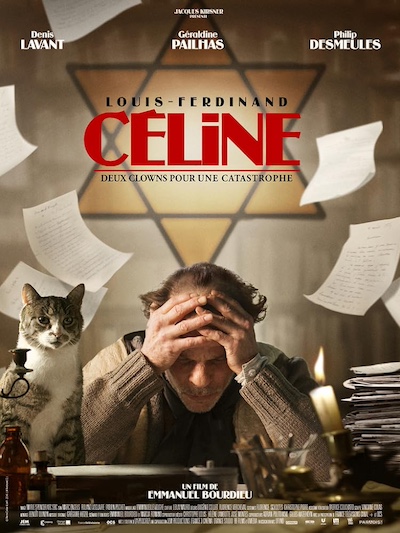
1948 – Louis-Ferdinand Céline in Denmark, in exile, accused of collaboration with the Nazis during the occupation of the France. He is accompanied by Lucette, his wife and his cat Bebert.Read More »
Quote:
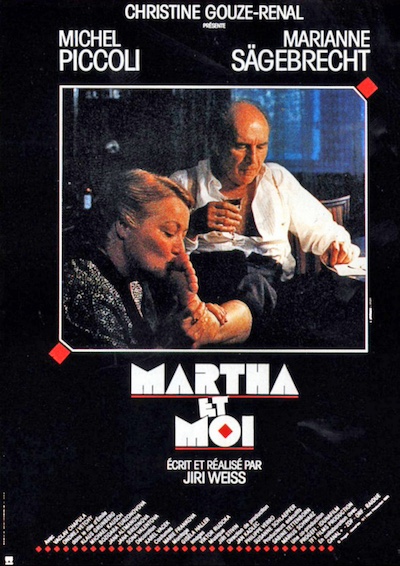
A child meets his uncle, a Czech Jew living in the south of Germany in the days before the 2nd world war. Without taking care of social prejudices, the uncle marries Martha, his servant. When the Nazis come to the power the young and the couple move to Prague. Then is Martha who defends her marriage to a Jew against the society…Read More »