Chicken Ranch is a 1983 documentary film by Nick Broomfield about the famous legalised brothel, the Chicken Ranch, in Pahrump, Nevada. Photographed by Sandi Sissel. The documentary, which remains purely observational for the most part, depicts the prostitutes as likeable characters often looking for a way out of the remote location where the brothel is situated. The film shows the girls lining up for potential clients, joking about their job, and interacting with one another within the brothel. The film ends with one girl, Mandy, being fired from the ranch.Read More »
Documentary
-
Nick Broomfield & Sandi Sissel – Chicken Ranch [+Extras] (1983)
Documentary1981-1990Nick BroomfieldSandi SisselUnited Kingdom -
Ebrahim Golestan – Tappe-haye Marlik AKA The Hills of Marlik (1963)
1961-1970DocumentaryEbrahim GolestanIranShort FilmA beautiful short by the Iranian director about the archaelogical excavations in the area of the Marlik hills. Narrated by Golestan, the film features a reflective voice-over text exploring the lives, hopes and myths of the people who once lived there and who live there today. A very lyrical film, and a small masterpiece.Read More »
-
Barbara Hammer – Devotion: A Film About Ogawa Productions (2000)
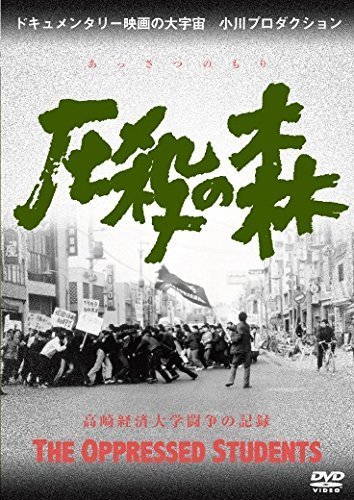
1991-2000Barbara HammerDocumentaryJapanPoliticsShinsuke Ogawa began his career in filmmaking in the early 1960’s, directing industrial films for Japanese public relations firms, but he had a desire to make films of greater consequence, and left his job to become an independent documentarian. Ogawa examined the rise of the Student Left in Japan in 1966’s Sea of Youth and 1967’s The Oppressed Students, and in 1968, as protest among the young became an international phenomenon, Ogawa and a handful of like-minded young filmmakers set up a collective house in rural Sanrizuka. A growing number of young activist filmmakers joined Ogawa in their new home, where they made documentaries focusing on the battle between the builders of Toyko International Airport and the farmers who would be displaced by the project and refused to leave. Read More »
-
Fernando E. Solanas – Memoria del saqueo AKA Social Genocide [+Extra] (2004)
2001-2010ArgentinaDocumentaryFernando E. SolanasPolitics“Memoria del saqueo” – literally, “Memory of the looting”, but it’s worth stopping here for a second because there’s an intention there that’s lost in translation. During the 2001 crisis, sensationalist media loved to show images of common looting taking place (people taking stuff out of supermarkets – if it’s a big TV, all the better). The title of the film subverts this common usage of the word “looting” in this context, to direct it to the systematic looting of the national riches by the ruling classes, as explained below.
Part of a sequence of four documentaries: Memoria del saqueo, La dignidad de los nadies, Argentina latente and La tierra sublevada.Read More »
-
Lindsay Anderson – O Dreamland (1956)
1951-1960Amos Vogel: Film as a Subversive ArtDocumentaryExperimentalLindsay AndersonUnited KingdomUnsparing candid-camera work and astute juxtaposition of natural sound provide a scathing, angry and wordless comment on modern popular culture as seen at a British amusement park. No attempt is made to poke fun at the people shown; they are portrayed as victims — Orwell’s 1984 “proles”. A visual and aural barrage of cheap pleasures and angry social comment by the later famous director of If and O Lucky Man.
– Amos VogelRead More » -
Tom Brook – Talking Movies: Pandemic Special (2020)
2011-2020BBCDocumentaryTom BrookUnited Kingdom
This is a snapshot of the global state of the movie industry with a special feature on fims about pandemics and a look at what’s available to stream online “beyond the mainstream”.Read More » -
Jun’ichirô Ôshige – Ogawa puro hômon-ki AKA A Visit to Ogawa Productions (1981)
1981-1990DocumentaryJapanJun'ichirô ÔshigeNagisa Oshima visits Ogawa Productions and shares a series of wide-ranging, in-depth conversations with director Shinsuke Ogawa in 1981.
Quote:
In 1981 film director Nagisa Oshima – the ‘New Wave’ Japanese director best known in this country for films such as Cruel Story of Youth (1960), In the Realm of the Senses (1976), and Merry Christmas, Mr. Lawrence (1983) – traveled to the Yamagata countryside to visit the documentary filmmaking collective led by Shinsuke Ogawa (1935-1992), who was then in the midst of filming A Japanese Village – Furuyashikimura, a feature-length documentary chronicling the seasonal cycle of rice growing.Read More » -
Manfred Kirchheimer – Stations of the Elevated (1981) (HD)
1981-1990DocumentaryExperimentalManfred KirchheimerUSAQuote:
Stations of the Elevated (1981) is a 45-minute city symphony directed, produced and edited by Manfred Kirchheimer. Shot on lush 16mm color reversal stock, the film weaves together vivid images of graffiti- covered elevated subway trains crisscrossing the gritty urban landscape of 1970s New York, to a commentary-free soundtrack that combines ambient city noise with jazz and gospel by Charles Mingus and Aretha Franklin. Gliding through the South Bronx, Brooklyn, Queens and Manhattan – making a rural detour past a correctional facility upstate – Stations of the Elevated is an impressionistic portrait of and tribute to a New York that has long since disappeared.Read More » -
Yervant Gianikian & Angela Ricci Lucchi – Trasparenze (1998)
1991-2000Angela Ricci LucchiDocumentaryExperimentalItalyYervant GianikianQuote:
« Transparences : voir à travers, pouvoir entrevoir le “cinéma” sur pied, ou porté. Œil et main deviennent mouvement, griffes et projection. Sur la décomposition du matériau nitrate, ses transformations (d’un fragment de guerre ayant appartenu à Luca Comerio, tourné par lui en 1916 sur le mont Adamello). Aspect physique en continuelle mutation. Restent les supports déchirés de la pellicule : perforations, collages, fluorescences, couleurs éteintes, jusqu’au total effacement de l’image originale contenue sur le photogramme. Effacement de l’image de la guerre ; parenté entre le nitrate et la poudre à canon. Métamorphoses du cinéma “qui défile” en cinéma de la matière collante, gommeuse, explosive. Dernier état du cinéma : devenir bombe explosive incendiaire de la mémoire. »Read More »