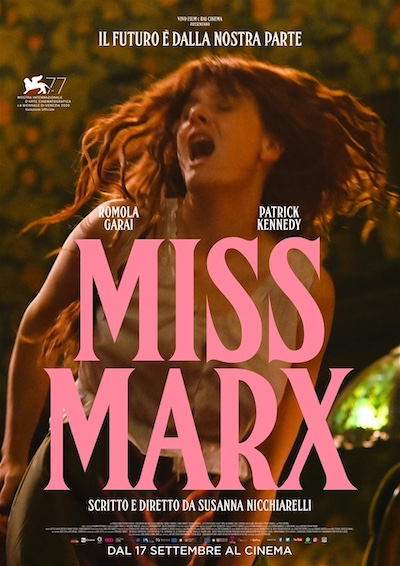
Bright, intelligent, passionate and free, Eleanor is Karl Marx’s youngest daughter. Among the first women to link the themes of feminism and socialism, she takes part in the workers’ battles and fights for women’s rights and the abolition of child labor. In 1883 she meets Edward Aveling and her life is crushed by a passionate but tragic love story.Read More »
This movie focuses on a dozen of the five hundred characters depicted in Bruegel’s painting. The theme of Christ’s suffering is set against religious persecution in Flanders in 1564.Read More »
The filmography of John Ford, most specifically his westerns for which he is arguably best known, is presented, those movies which largely made western stars out of John Wayne and James Stewart as two sides of the hero or antihero as the case may be, but also the majestically beautiful landscape of Monument Valley. The films are discussed as a reflection of him as a man – which is arguably the best representation of him as he was a highly private man who often answered evasively or flippantly in interviews, even about his work – and as a commentary on or his hope for American society. That hope largely was for a better world for the disenfranchised, especially the ethnic minority with Native Americans the usual stand-in as ubiquitous to the genre. Those movies in relation to politics, either his own are that of others who want to capitalize on very specific messages, is also discussed. As an interlude to his Hollywood life, his military service in WWII where he used his filmmaking.Read More »
Ichiko is a care-giver and a nurse. She provide home-care to the Oishos’ elderly woman and is almost considered part of the family as she visits and performs her tasks routinely. What is more, Ichiko is helping Oisho Motoko to also become a care-giver and potentially replace her one day. The two have become close, which is useful when Motoko’s sister Saki disappears. She is returned safely one week later, but the kidnapper is too close to homeRead More »
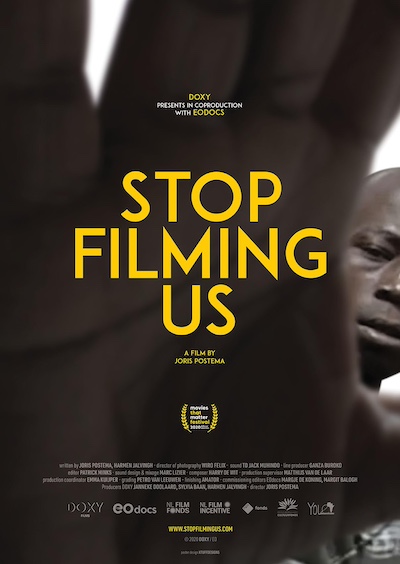
Quote: Based on the struggle of young people in Goma (Northeastern Congo) against the prevailing Western reporting about war and misery, Stop Filming Us investigates how these Western stereotypes are the result of a skewed balance of power. Stop Filming Us creates a cinematic dialogue between Western perceptions and the Congolese experience of reality. While the Congolese perspective becomes increasingly clearer in the film, questions arise about the perspective of the film itself; is a white director able to make a film about the new Congolese image or is it primarily a story created by his own Western perspective?Read More »
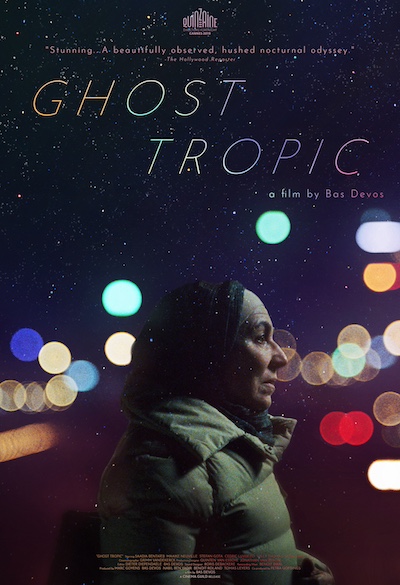
Synopsis After a long day at work, Khadija falls asleep on the last subway train. When she wakes up at the end of the line, she has no choice but to make her way home on foot.Read More »
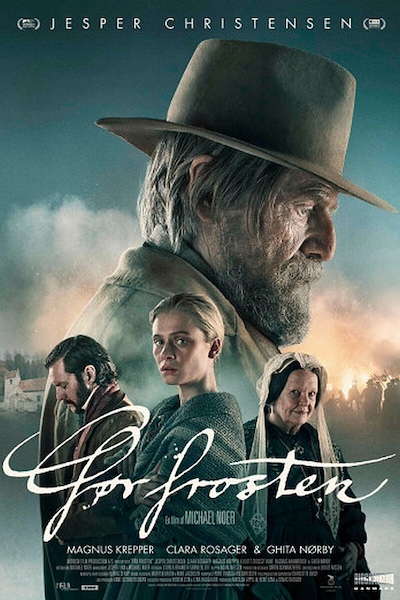
In 1800s Denmark, a farmer has a bad harvest and thus not enough food for his family. He makes a deal, that includes his farm and his daughter getting married, with a nearby rich farmer.Read More »
A subjective documentary that explores the numerous theories about the hidden meanings withinStanley Kubrick’s film The Shining (1980). The film may be over 30 years old but it continues to inspire debate, speculation, and mystery. Five very different points of view are illuminated through voice over, film clips, animation and dramatic reenactments. Together they’ll draw the audience into a new maze, one with endless detours and dead ends, many ways in, but no way out.Read More »