1991-2000

  • Rob Tregenza – Inside/Out [+Trailer] (1997)

    USA1991-2000ArthouseRob Tregenza

    Quote:
    Against the barren wintry backdrop of a psychiatric hospital, inpatients and authority figures drift through turgid psychological states. We meet the artist Jean and his lover Monica, patients of the facility, and several characters circling its periphery: a guard, an Episcopalian priest, and a church organist. Minimalizing dialogue and plot intricacy, Tregenza concedes only kernels of information, demanding that the viewer breathe dimensionality into his archetypes. Acting out primal instincts of lust, envy, fear, and love, subjects teeter vulnerably on the brink of sanity and insanity, freedom and repression in their attempts to navigate their existence.Read More »

  • Aki Kaurismäki – La vie de bohème AKA The Bohemian Life (1992)

    1991-2000Aki KaurismäkiArthouseComedyFrance

    Quote:
    Based on the same 19th-century novel (Henri Murger’s Scenes de la Vie de Boheme) that inspired Puccini’s opera, the story is about three down-and-out losers doomed to penury and artistic obsession. There’s Albanian painter Rodolfo (Matti Pellonpää), playwright Marcel (Andre Wilms) and composer Schaunard (Kari Väänänen). Their problems are exactly the same: no rent or food money and the futile struggle to be recognized.Read More »

  • Atif Yilmaz – Gece, Melek ve Bizim Çocuklar aka The Night, Angel and Our Children (1994)

    1991-2000Atif YilmazCrimeDramaQueer Cinema(s)Turkey

    A story set in the back alleys and nightclubs of Beyoğlu among drag queens and prostitutes, pimps and hopeless lovers…

    It shows all the dark corners of Beyoglu, Istanbul. Prostitutes, transexuals and their pimps are the protagonists of this movie, which is quite unlikely for a movie made in 1994. More strange thing is that the director creates a perfect atmosphere with real transsexuals, gay bars and night clubs.Read More »

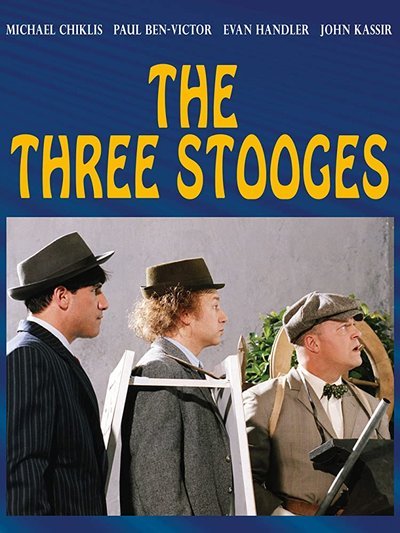
  • James Frawley – The Three Stooges (2000)

    Drama1991-2000James FrawleyUSA

    A biography of the Three Stooges, in which their careers and rise to fame is shown throughout the eyes of their leader, Moe Howard.Read More »

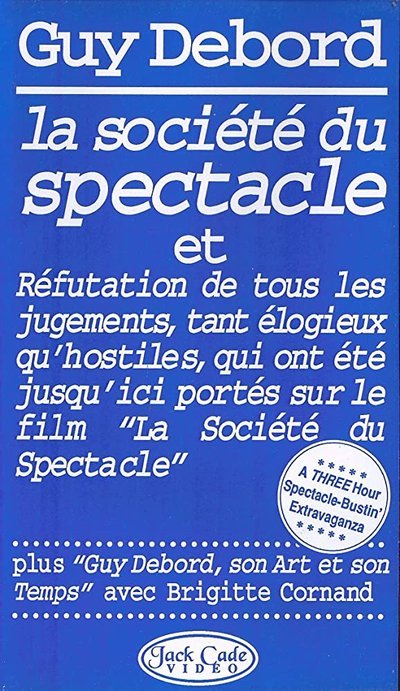
  • Brigitte Cornand – Guy Debord, son art et son temps (1995)

    1991-2000Brigitte CornandExperimentalFrancePolitics

    Except for a few brief evocations of Debord’s “art” during the first ten minutes or so, most of this “antitelevisual” video consists of television clips illustrating the extreme degradation and delirium of the present society. It’s a powerful denunciation, but not so deft and subtle as Debord’s films, perhaps because it was made during the worsening stages of his final illness. Presumably intended as a parting shot at the society he detested, it was completed shortly before his death in November 1994 and shown January 9, 1995, on a French cable channel along with La Société du Spectacle and Réfutation de tous les jugements (whence the video copies that have since circulated). Read More »

  • Barbara Hammer – Devotion: A Film About Ogawa Productions (2000)

    1991-2000Barbara HammerDocumentaryJapanPolitics

    Shinsuke Ogawa began his career in filmmaking in the early 1960’s, directing industrial films for Japanese public relations firms, but he had a desire to make films of greater consequence, and left his job to become an independent documentarian. Ogawa examined the rise of the Student Left in Japan in 1966’s Sea of Youth and 1967’s The Oppressed Students, and in 1968, as protest among the young became an international phenomenon, Ogawa and a handful of like-minded young filmmakers set up a collective house in rural Sanrizuka. A growing number of young activist filmmakers joined Ogawa in their new home, where they made documentaries focusing on the battle between the builders of Toyko International Airport and the farmers who would be displaced by the project and refused to leave. Read More »

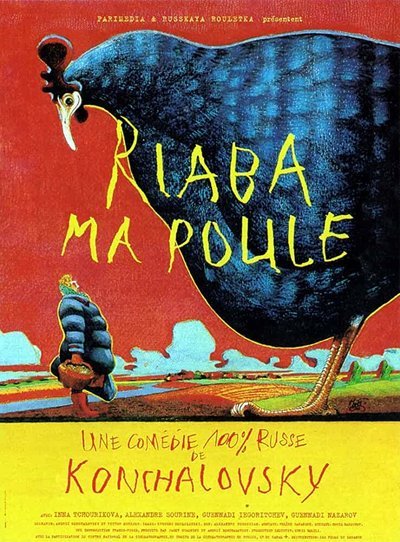
  • Andrey Konchalovskiy – Kurochka Ryaba AKA Ryaba My Chicken (1994)

    Comedy1991-2000Andrey KonchalovskiyFantasyRussia

    This Russian-French comedy examines the effects of capitalism and democracy upon a Russian peasant village. It was filmed in the rural village of Bezvodnoye, the setting of this film’s 1967 precursor “Asya’s Happiness.” The outspoken peasant woman Asya returns in this new episode which begins with her walking along a road explaining why democracy doesn’t work. Her husband is an alcoholic who lives with a gypsy. Her son works on the black market for the mob. He was part of a theft involving a rare golden egg from the Hermitage Museum in St. Petersburg. Asya’s opinions seem to be well founded. In the village crime has increased, inflation is rising, and local authorities are ineffectual. Many locals are so angry at the town Capitalist for running his mill 24-hours per day that they stage a demonstration and begin waving pro-Communist banners. Asya’s pet chicken begins to grow and speak.Read More »

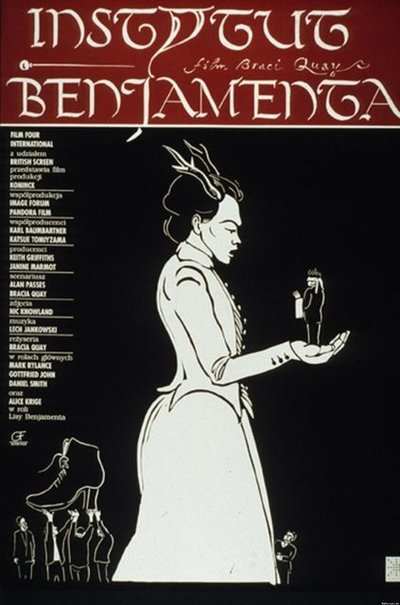
  • Stephen Quay & Timothy Quay – Institute Benjamente (1995)

    1991-2000ArthouseFantasyStephen QuayTimothy QuayUnited Kingdom

    Synopsis:
    Jakob arrives at the Institute Benjamenta (run by brother and sister Johannes and Lisa Benjamenta) to learn to become a servant. With seven other men, he studies under Lisa: absurd lessons of movement, drawing circles, and servility. He asks for a better room. No other students arrive and none leave for employment. Johannes is unhappy, imperious, and detached from the school’s operation. Lisa is beautiful, at first tightly controlled, then on the verge of breakdown. There’s a whiff of incest. Jakob is drawn to Lisa, and perhaps she to him. As winter sets in, she becomes catatonic. Things get worse; Johannes notes that all this has happened since Jakob came. Is there any cause and effect?Read More »

  • Yervant Gianikian & Angela Ricci Lucchi – Trasparenze (1998)

    1991-2000Angela Ricci LucchiDocumentaryExperimentalItalyYervant Gianikian

    Quote:
    « Transparences : voir à travers, pouvoir entrevoir le “cinéma” sur pied, ou porté. Œil et main deviennent mouvement, griffes et projection. Sur la décomposition du matériau nitrate, ses transformations (d’un fragment de guerre ayant appartenu à Luca Comerio, tourné par lui en 1916 sur le mont Adamello). Aspect physique en continuelle mutation. Restent les supports déchirés de la pellicule : perforations, collages, fluorescences, couleurs éteintes, jusqu’au total effacement de l’image originale contenue sur le photogramme. Effacement de l’image de la guerre ; parenté entre le nitrate et la poudre à canon. Métamorphoses du cinéma “qui défile” en cinéma de la matière collante, gommeuse, explosive. Dernier état du cinéma : devenir bombe explosive incendiaire de la mémoire. »Read More »

Back to top button